
A non-operating reefer or NOR is a refrigerated container that has its cooling system turned off. It functions as a cost-effective dry container box for shipping non-perishable goods.
This guide explains how NORs function and the reason why they are a smart, budget-friendly choice.
What is a Non-Operating Reefer Container?
A non-operating reefer is a refrigerated container that is used with its cooling system completely switched off. While these units are built for the transportation of temperature-sensitive goods like frozen food, a NOR functions as a standard, non-powered dry box container for general cargo.
Physically, it is the same piece of equipment as a standard reefer, but it is used as a regular container for the duration of its journey. Because the cooling motor is stopped, the container does not need a power source on the ship or at the terminal.
However, you still get the benefit of the thick, insulated walls. Since they are built to keep the ideal temperature, an environment that protects your dry goods from extreme weather is created.

Why Shipping Lines Offers Non-Operating Reefer Container?
Shipping lines offer Non-Operating Reefer (NOR) containers for the management of equipment levels and to reduce operational costs. Because global trade is often one-sided, carriers frequently find themselves with a surplus of reefer container units in certain ports. However, they may desperately need those same containers in other regions to handle food exports.
Instead of spending money to transport empty boxes, carriers offer them to shippers as a budget-friendly alternative. Since the shipping line must move the equipment anyway, they provide discounts to obtain customers. This improves the flow of equipment while preventing vessels from having unused storage.

Advantages of Using Non-Operating Reefer Container
Choosing a Non-operating reefer gives advantages when shipping dry goods.
- Lower Rates: Shipping lines offer reduced prices to move reefer containers back to export ports without running the cooling motor.
- High-Quality Insulation: The thick walls provide an environment that protects dry cargo from extreme outside heat or cold.
- Availability: The units are often easier to book because carriers must move them to meet global demand for cold shipping.
The Limits of Non-Operating Reefer Containers
While beneficial, using a Non-Operating Reefer Container comes with some constraints.

They are limited to some items: Many types of dry goods are restricted to avoid damaging the interior.
They have a lesser Volume Capacity: The internal volume is smaller than a standard dry container because the thick insulation and refrigeration unit occupy extra space.
They have Shorter Free Periods: Carriers often provide shorter demurrage and detention-free periods for NORs to ensure the equipment is returned quickly for refrigeration use.
There is a Possibility of Internal Damage: The aluminum T-bar floors and insulated linings are fragile compared to the plywood floors of a standard container.
They have a weight limitation: There are strict weight-per-square-meter restrictions to avoid damaging the floor structure.
Cargo Specifications
For the safety of the container’s interior and lining, the cargo must meet the following standards.
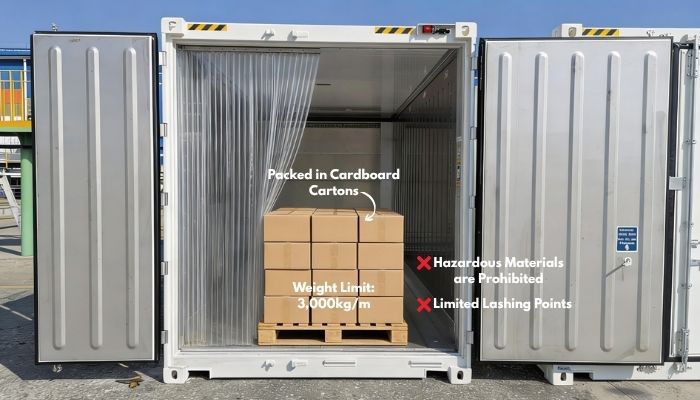
1. Weight Limit: The cargo weight should not exceed 3,000kg/m.
2. Packaging: The goods should be clean and preferably packed in cardboard cartons.
3. Prohibited Cargo: There should be no hazardous materials, scrap, heavy crates, or unpackaged goods allowed.
4. Lashing Constraints: The units have limited lashing points, so cargo must be stabilized and correctly packed to prevent shifting.
What are the Best Types of Cargo for Non-Operating Reefer Containers?
These products are suited because they are lightweight and packed in ways that fit the container’s specialized interior.
1. Textiles and Apparel: These are usually light and packed in clean cardboard cartons, which prevents moisture damage from fabrics.
2. Electronics: Small appliances and gadgets are often shipped in uniform boxes that are easy to stack without heavy lashing, and the insulation protects sensitive parts from sudden temperature changes.
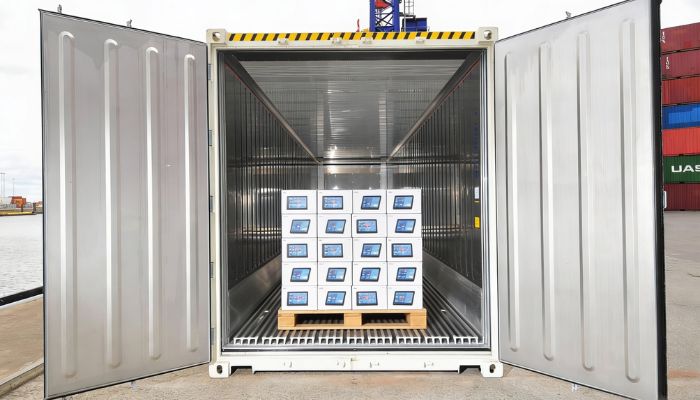
3. Packaged Consumer Goods: household items meet the requirement for clean boxed cargo and fit safely in the reinforced structure.
4. Sensitive Dry Goods: Products that need protection from temperature spikes benefit from the insulation while remaining within weight limits.
5. Paper Items and Furniture: These are ideal because the thick, insulated walls protect them from the weather.
6. Footwear: These products are a great fit because they are shipped in individual shoeboxes and a master carton, which prevents the cargo from shifting while protecting the T-bars of the reefer container.
7. Makeup and Accessories: These small high-value items benefit from the clean environment of an insulated container, which reduces the risk of melting or damage.
8. Food Beverage: Only dry or shelf-stable goods are allowed. These are suited for NORs because they do not need active cooling, and they even benefit from a dry environment.
9. Machine Parts: Small or medium parts that are properly packaged can be safely shipped because they do not require a heavy lashing point.
What Are the Restricted or Unallowed Cargo?
The following items are strictly restricted for shipping in non-operating reefer units.
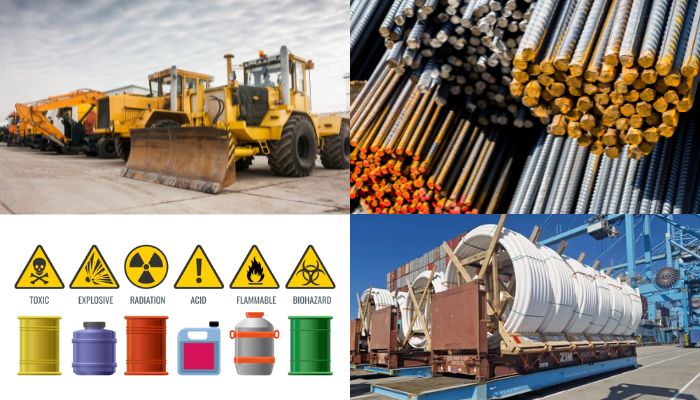
- Hazardous Goods
- Metals
- Heavy Machinery
- Oversized Goods
- Chemicals
These materials are restricted because they can cause damage to the reefer container’s internal infrastructure. Heavy machinery and metal can crush aluminum T-bar flooring or puncture insulated wall linings.
Additionally, chemicals and hazardous goods cause unwanted odors or contaminate other items. This would make the unit unusable for future food-grade shipments.
Preparation for the Use of Non-Operating Reefer (NOR)
The process of preparing a reefer container to be used as a Non-Operating Reefer consists of steps to protect the equipment and the cargo. These are:
Shut Off the Power Supply
The refrigeration unit must be completely powered down since the container will be used as a standard dry box without active temperature control.
Clean and Dry Thoroughly
The interior must be sanitized so that mold or unwanted odors can be prevented during transit.
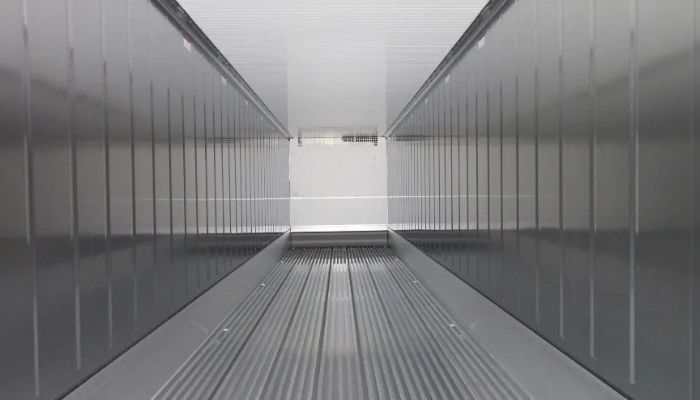
T-Floor Clearing
Obstructions of any kind must be removed from the aluminum T-bar flooring to keep the surface flat for boxed cargo and to prevent damage to the floor structure.
Administrative Approval
Shipping lines must formally approve the unit for NOR service, often giving these containers space and priority to return them to high-demand export regions quickly.
To Summarize
A Non-Operating Reefer helps you ship dry goods at lower rates while getting high-priority space. You get better protection from heat or cold because of the thick walls. Just remember to stick to light, boxed items to keep the floors safe from damage.
See Related Blog Posts
How Many Pallets Can You Fit Inside a 40ft Reefer Container?

