
Temperature-sensitive goods easily spoil if the temperature gets too hot or too cold, so you should know how to properly prepare your items before booking a reefer container.
This simple guide informs you on how to ship perishable cargo by understanding the different packaging, regulations, and equipment.
Common Perishable Cargo Type
Different types of goods require different temperature settings to keep their quality during transit. Every product has its own needs, so you must understand these common cargo profiles before you start shipping.
Fresh Produce
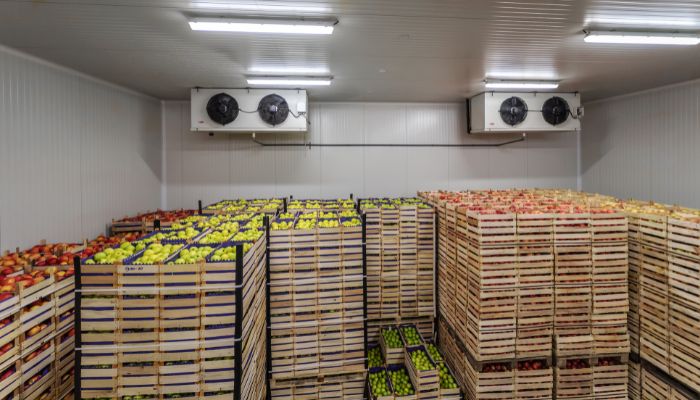
Fresh fruits and vegetables are living, breathing organisms even after harvest. They release heat and gas, so you must use a reefer container with active ventilation to keep them fresh and retain their quality.
Most chilled produce is transported at temperatures between 0 °C and 13 °C, depending on the specific item.
Dairy Products
Dairy products such as milk, butter, and cheese spoil quickly in warm weather; therefore, you need to store them at a constant, chilled temperature to stop bacteria from growing. You should store these items between 1 °C and 4 °C to preserve their quality.
Meat and Seafood
Fresh or frozen protein will quickly decay if the temperature shifts from the safe zone. Use deep freezing or heavy chilling to avoid thawing and prevent dangerous bacteria from growing.
Chilled meats should be stored at -1.5°C to 0°C, while frozen seafood should be stored at -18 °C or colder.

Pharmaceuticals and Vaccines
Many lifesaving medicines lose their efficacy if they get too warm or too cold, and because of this risk, you must follow strict storage rules to protect these high-value medical goods.
They should either undergo deep freezing or be stored at 2 °C to 8 °C.
Flower and Plant
Cut flowers and live plants will quickly wilt and die under heat. You need to keep them cool while controlling the moisture so that rotting during the journey is avoided.
Most floral cargo is transported at temperatures between 1 °C and 5 °C.

Non-Perishable Items that Need Temperature Control
Some goods do not get rotten, but the lingering heat can still ruin them. Chocolates can melt, and film can degrade if you do not control the climate.
These goods need a stable environment ranging between 10 °C and 20 °C.
Factors to Consider Before Booking
You cannot just book a shipping slot and then hope that everything works as intended. Before you secure your reefer container, you must evaluate a few important factors in logistics to prevent delays that may increase your total costs.
Carrier Acceptance
Not every shipping line will accept and carry every type of perishable cargo. Some carriers have strict rules when dealing with high-value medicines, dangerous chemicals, or some frozen foods.
It is advisable to always check with the shipping lines first to confirm if they accept your products.

Destination and Import Regulations
Different countries have very strict laws regarding the import of food and medicines. You will need specific customs documents, health certificates, or import permits before your cargo starts sailing.
Missing just one document or permit may cause border agents to reject or, worse, destroy your entire shipment.
Terminal Infrastructure
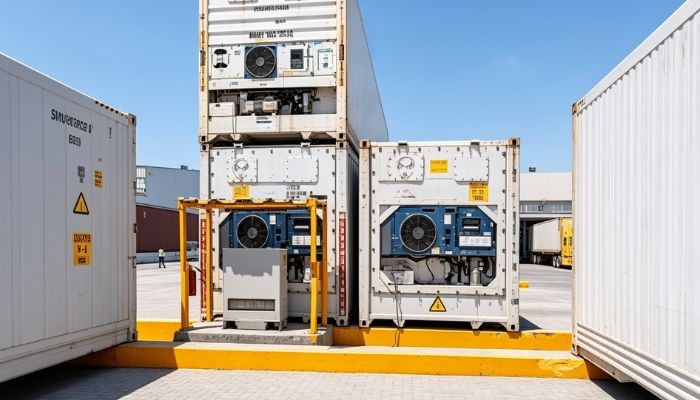
Your cold chain is only as strong as the ports your cargo passes through. Reefer units need a constant supply of power, so you must ensure that the destination terminal has sufficient electrical plug-in ports to accommodate your needs and keep your container running.
As a shipper, you can easily verify by asking your freight forwarder. You may also check the port’s public website for their reefer capacity. If a port lacks plugs or suffers from frequent power interruptions, your products will stay on the dock and spoil.
Step-by-Step Cargo Preparation and Packaging
By properly preparing your goods before they ever touch the container, you are now obtaining the secret to a successful shipment. Follow these four steps to protect your products from the beginning.
Step 1: Pre-Cooling the Product
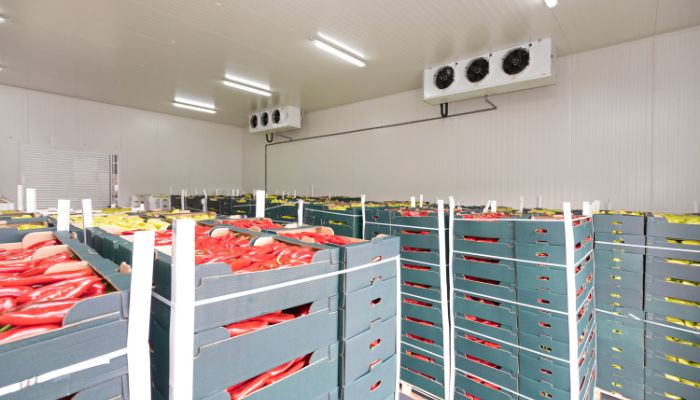
Adjust the temperature of your goods to their ideal transit temperature before loading them into the container. Reefer containers are designed to maintain the original temperature of the products, not cool them down.
If you skip this step, the warm products will create heat that can affect and ruin the entire batch.
Step 2: Pre-Transport Sanitation and Disease Control
A clean cargo prevents mold, bacteria, and pest infestation during long journeys. You should thoroughly wash, sanitize, and dry all fresh products to remove the spores and dirt.
For international shipments, follow all strict disease control standards to clear the security checks at the border.
Step 3: Choose the Right Packaging
Your packaging should match the needs of your cargo to allow them to “breathe. Fruits and vegetables should be stored in vented boxes so air can circulate and remove the gases.
On the other hand, frozen meat or dairy should be stored in solid, insulated packaging to seal the cold air and keep the moisture out.
Step 4: Protect Goods During Short Moves
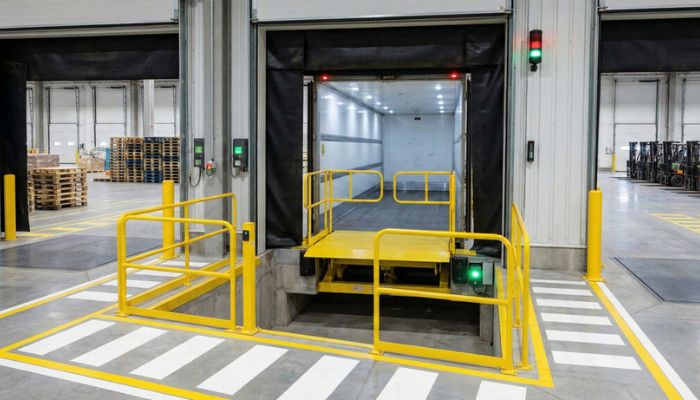
The cold chain can easily break during the quick transport from your warehouse to the reefer container. Use insulated thermal blankets or refrigerated loading docks to protect your cargo during this time.
Even a few minutes on a hot loading dock can begin premature spoiling of the products.
Choosing the Right Transportation Equipment
Not all temperature-controlled shipments use the same type of container. Choose the right equipment based on your cargo’s temperature needs and your overall shipping budget.
Active Reefer
An active reefer, also known as a reefer container, is a shipping container with a built-in, electric-powered cooling unit. This unit constantly pumps cold air around your cargo to help keep the exact temperature throughout the entire journey.
Choose an active reefer for sensitive items like fresh produce, meats, or pharmaceuticals that lost their quality if stored in a container without strict climate control.
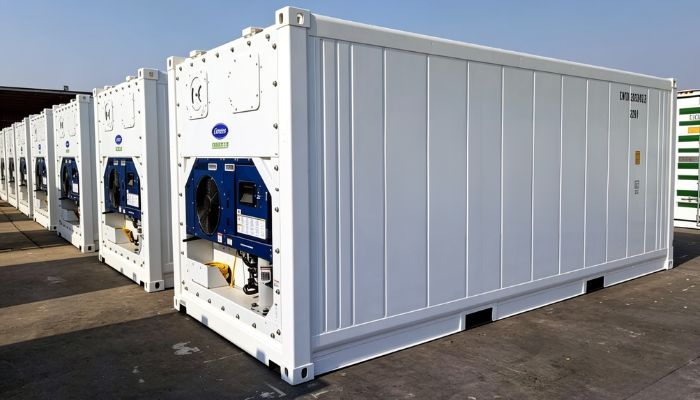
Non-Operating Reefer (NOR) Container
A non-operating reefer (NOR) is a reefer container with its cooling unit turned completely off. Shipping lines use them as a standard, insulated dry box to move cargo back to ports that need reefer equipment.
Because the power is off, NORs are cheaper compared to active reefers. They are the perfect choice for non-perishable goods and benefit from the thick insulated walls to shield them from extreme outside weather.
The Bottom Line
Shipping perishable goods sums up to one important rule: protect the cold chain from start to finish. You just cannot rely on the shipping container alone to do all the work.
To ship perishable goods successfully, you must properly prepare and pre-cool your products. Use the correct insulated or vented packaging, and double-check your destination port’s infrastructure before booking.
Choosing the correct equipment and managing every short transition carefully will ensure your cargo arrives fresh, safe, and ready for the market.
Frequently Asked Questions:
Can a reefer container cool down warm cargo?
No. Reefer containers are designed to maintain the temperature of already cold cargo, not to cool warm products down. If you load warm goods, the container will struggle, the temperature will rise, and your cargo will spoil. Always pre-cool your items before loading.
What is the difference between an active reefer and a NOR?
An active reefer has its cooling unit turned on and actively pumps cold air to keep goods at a precise temperature. A non-operating reefer (NOR) has its cooling unit turned off and is used as a standard, insulated dry box. NORs are cheaper and best for goods that need weather protection, but don’t require active refrigeration.
How do I know if a destination port can handle my reefer container?
You can easily check by asking your freight forwarder, as they know port conditions well. You can also visit the destination port’s official website and look at their fact sheet to check the reefer plug points they have available.
How do I ship refrigerated items to the USA?
Use an international air express service. Because the US has strict customs laws for food and medicine, you must submit prior notice and complete all required paperwork before the cargo arrives, or border agents will destroy it.
What happens if I miss an import document for perishable goods?
Because food and medicines are subject to strict health laws, customs border agents will not let them sit around. If a document is missing, agents will often reject the shipment or destroy it on the spot to prevent any health risk.
You may also find this blog post useful
Reefer Container Manufacturers
The Ultimate Guide to Pharmaceutical Reefer Container Logistics
Insulated Container vs Reefer Container
Different Types of Reefer Containers
About The Author

Evan Wang
I am Evan Wang, the General Manager, Marketing Director, and SEO Expert at Sunnyda Cold Room. I have over 20 years of experience in the refrigeration industry, and my expertise is in commercial refrigeration solutions.
I’d be delighted to share practical ideas about refrigeration products, project selection, export trade, SEO, and marketing.
Let’s connect!

