
Refrigeration plays a crucial role in many businesses across the Philippines, especially for those handling food, beverages, and temperature-sensitive products. But with so many options, how do you know which system fits your needs?
This guide gives you a clear overview of walk-in freezer manufacturers in the Philippines, estimated prices, common applications, compliance requirements, and key buying factors.
Walk-In Freezer / Cold Room Manufacturers
1. Cold Storage Manila
Cold Storage MNL is a trusted company that provides complete cold storage solutions, from design, manufacturing, to installation and ongoing technical support. They build and install cold rooms, condensing units, insulation panels, cold storage doors, and other essential components needed for different refrigeration systems. Over the years, they’ve earned a strong reputation for being responsive, dependable, and genuinely committed to customer needs. Cold Storage MNL is located at 571 Fugoso St,, Sta. Cruz Manila.
2. Ascets Corporation
Ascets Corporation specializes in designing, fabricating, and installing cooling and heating systems. The company was founded in 2013 as ASCETS Refrigeration and Electrical Services, led by professionals who sought to provide dependable products and services that you can count on. Since then, Ascets has built a solid reputation for quality work and trustworthy support. They are accredited by the Philippines Contractors Accreditation Board (PCAB) and registered with the Philippine Government Electronic Procurement System (PhilGEPS), which means they meet national standards for engineering and specialty contracting. Ascets Corporation is located at #78 S. Donesa St., Canumay West, Valenzuela City, 1443.

3. Cold Front Technologies Asia, Inc.
Cold Front Technologies Asia, Inc. is recognized as a leader in green cold chain solutions in the Philippines. The company was established in 2016 by Silicon Valley entrepreneurs and seasoned local refrigeration experts, bringing together innovation and long-standing industry experience. Cold Front is fully registered with the Securities and Exchange Commission and was built on the idea of blending modern, forward-thinking technology with proven expertise in refrigeration and air conditioning. The company is located at Warehouse 7A, Las Piñas Commercial Complex, 30 Alabang-Zapote Road, Las Piñas City, Metro Manila, Philippines.

4. DM Baylon Manufacturing & Industrial Inc.
DM Baylon Manufacturing & Industrial Inc. is a reliable partner for businesses looking for food processing equipment. They offer a complete range of commercial walk-in chillers and freezers, as well as industrial food processing machines. The company is dedicated to providing high-quality service and ensuring that every customer is satisfied. With a team of skilled professionals in fabrication, design, and management, DM Baylon Manufacturing & Industrial Inc. can also create custom-made products at competitive prices. The company is located at Kaingan Street, Balintawak, Quezon City, Metro Manila, Philippines.

5. Hwa Sung Refrigeration Company Inc.
Hwa Sung Refrigeration Company Inc. started in Cebu in 2010 and has since become a trusted name in cold storage solutions. The company specializes in designing and building high-quality cold rooms using Korean-made materials and machinery. They offer complete cold storage services, from planning and installation to maintenance, which ensures every system is reliable, efficient, and built to last. With over a decade of experience and a team of skilled technicians, Hwa Sung provides solutions tailored to each client’s needs. The company is registered with the Securities and Exchange Commission and is located at 32a Sacris Rd, Mandaue City, Cebu, Philippines.
6. Weal Builders, Inc.
Weal Builders, Inc. was founded in 1992 and has become a leading company in the construction of food industrial plants. They specialize in designing and building cold storage facilities, racking systems, dry warehouses, and food processing plants that always focus on customer satisfaction. The company also supplies and installs insulated panels, cold room doors, and PVC strip curtains to ensure every project is complete and functional. With years of experience and a commitment to quality, Weal Builders has earned the trust of businesses across the Philippines. They are located at Lot 8, Blk. 3, Orchids St., Greenheights, Newton, Brgy. Mayamot, Antipolo City, Rizal, Philippines, 1870.
Walk-In Freezer Estimated Price in the Philippines
| Estimated Walk-In Freezer Price List | |
| Size | Price |
| 5 sqm | ₱622,000 |
| 7.5 sqm | ₱706,000 |
| 10 sqm | ₱788,000 |
| 12.5 sqm | ₱863,000 |
| 15 sqm | ₱965,000 |
| 21 sqm | ₱1,183,000 |
Applications Across Industries
Refrigeration is essential in many industries as it helps to keep products safe, fresh, and supports efficient operation.
Food and Beverage Industry
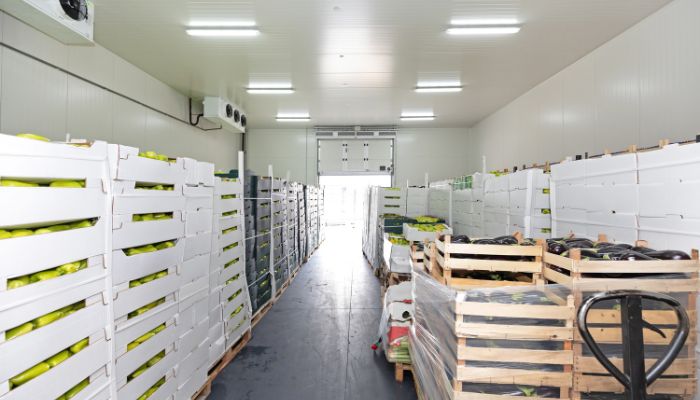
Refrigeration is important for preserving perishable goods, reducing waste, and maintaining quality. Commercial refrigerators, freezers, and walk-in cold rooms support smooth operations in restaurants, supermarkets, catering services, and food processing facilities.
Pharmaceuticals and Healthcare
Temperature-controlled storage ensures that medicines, vaccines, and laboratory samples remain effective and safe. Reliable refrigeration is essential for hospitals, clinics, and pharmaceutical manufacturers.
Logistics and Distribution
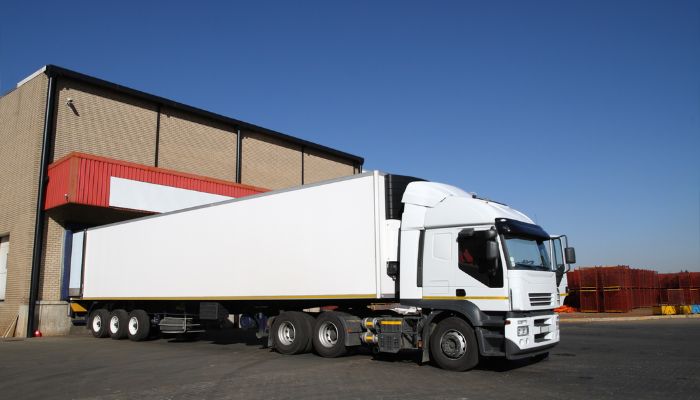
Refrigeration allows the safe transport of perishable products over long distances. A cold chain system helps maintain quality and freshness throughout storage, handling, and delivery.
Hospitality and Service Industry
Hotels, resorts, and catering services rely on refrigeration to store food, beverages, and other perishable items efficiently, which ensures guest satisfaction and operational efficiency.
Specialized Industry
Sectors such as floriculture, chemical manufacturing, and other temperature-sensitive operations use refrigeration to maintain product integrity, extend their shelf life, and ensure consistent quality.
Key Regulatory Bodies and Standards for Refrigeration in the Philippines
Refrigeration products in the Philippines are regulated to ensure safety, quality, and energy efficiency across households and businesses.
DTI-BPS (Bureau of Philippine Standards)
The DTI-BPS is the country’s national standards body responsible for creating and enforcing product safety and quality guidelines. It oversees mandatory certification for many household and commercial appliances.
DOE (Department of Energy)
The DOE manages the Philippine Energy Labeling Program (PELP), which establishes minimum energy performance standards for appliances such as refrigerators, air conditioners, and other energy-consuming devices. This program helps ensure that products are energy efficient before they reach consumers.

Mandatory Certification Requirements
Appliances under mandatory certification must display specific marks before being sold in the Philippines market.
PS (Philippine Standard) Mark
This mark is given to local and foreign manufacturers whose products and production facilities meet Philippine National Standards (PNS).
ICC (Import Commodity Clearance) Mark/Sticker
Imported appliances require an ICC for each shipment to confirm compliance with safety and quality standards. Verification can be done by using the ICC verification mobile app. Failure to present proper documentation during inspection is considered a violation.

Key Considerations Before Purchasing
Choosing the right refrigeration system is important for efficiency, safety, and long-term savings.
Purpose and Capacity
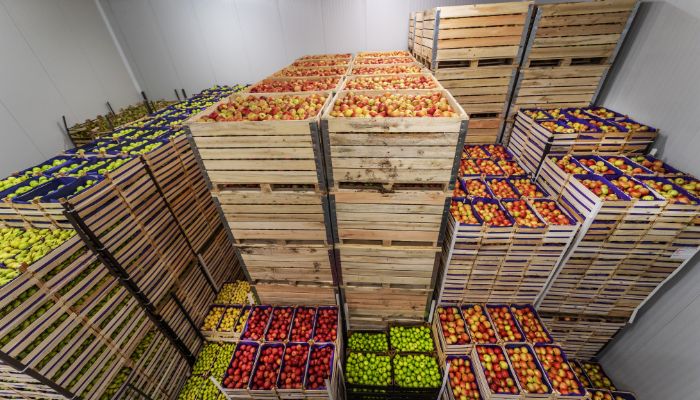
Determine the type of products you need to store and the volume. For large-scale operations, walk-in freezers or cold rooms may be necessary, while smaller businesses may only need commercial refrigerators.
Quality and Durability
Check the build quality, materials used, and brand reputation. Reliable equipment ensures consistent performance, reduces maintenance needs, and extends lifespan.
Energy Efficiency
Look for appliances with energy-saving technologies, such as an inverter compressor or high-efficiency insulation. Energy-efficient models reduce operating costs and are better for the environment.
Compliance with Standards
Ensure the equipment meets Philippine safety and energy standards, including certifications from DTI-BPS and energy labelling from DOE. This guarantees safety, efficiency, and legal compliance.
Space and Layout
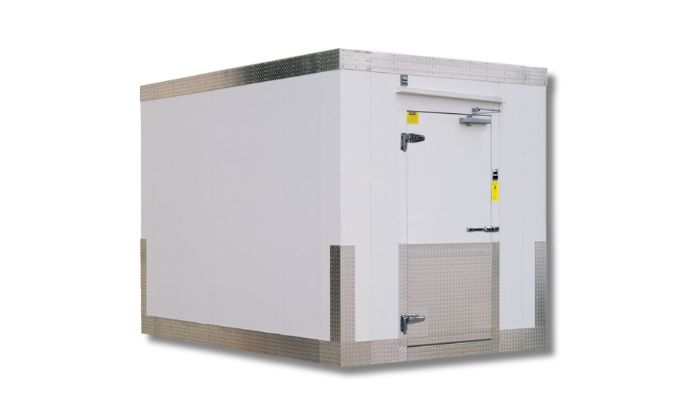
Consider the available space and how the refrigeration unit will fit within your workflow. Proper placement allows easy access, ventilation, and maintenance.
Warranty and After-Sales Support
Choose brands or suppliers that have a strong warranty and offer reliable service, spare parts, and technical support. Timely maintenance and repairs minimize downtime and protect your investment.
Budget and Total Cost of Ownership
Beyond the initial purchase price, consider operating cost, energy consumption, and potential maintenance expenses to evaluate the true cost over the appliance’s lifetime.
Who Needs Walk-In Freezers in the Philippines?
- Restaurants and food chains
- Catering businesses
- Hotels and resorts
- Supermarkets and groceries
- Meat and seafood suppliers
- Cold chain logistics providers
- Pharmaceutical and healthcare facilities
Why Do Filipinos Need Walk-in Freezers for Their Businesses?
Running a successful food business in the Philippines is challenging. You will need the right equipment to handle the hot weather and market challenges. Walk-in freezers help keep operations running smoothly in this kind of environment.
While they are not always needed or common for small businesses, they are irreplaceable when you are running a restaurant or a large food chain franchise that needs to store large volumes of ingredients to maintain food quality.
Tropical Climate and High Humidity
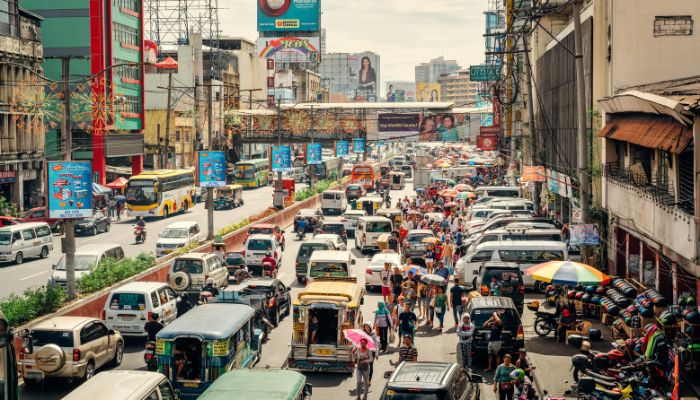
The Philippines has a hot, humid climate that can make food spoil faster. Heat and moisture can quickly damage ingredients like meat, seafood, and dairy products.
A walk-in freezer can control temperature and slow spoilage to make your food safe, stay fresh, and ready to use for a longer time.
Frequent Power Fluctuation
Power interruptions are common in some areas of the Philippines, especially during storms or peak demand hours. During the summer season, some electric companies also implement scheduled power outages to manage energy supply. These interruptions cause freezer temperatures to rise and may lead to food spoilage.
A well-insulated walk-in freezer slows down temperature changes by keeping the cold air trapped inside. This gives businesses more time to manage their operations during a power interruption, protect stored ingredients, reduce waste, and maintain food safety.
Strong Food Culture and High Demand
Filipinos love to eat, celebrate, and gather with family and friends. It is due to this that restaurants, catering services, and food suppliers often handle large orders every day and during special events.
In this way, a walk-in freezer is essential for storing bulk ingredients and staying prepared for high demand to keep operations running without running out of stock.

For Imported and Seasonal Ingredients
Some ingredients in the Philippines are imported or only available in certain seasons. This can make supply inconsistent and sometimes expensive. A walk-in freezer allows businesses to buy in bulk when prices are lower or when items are available and then store them for a longer time.
By keeping these ingredients at the right temperature, you can preserve their quality while also maintaining a steady supply even when items are out of season or hard to find.
Growing Food Businesses
With the rise of food delivery services and the growth of food businesses, the demand for reliable cold storage has become important. Small food businesses may not need walk-in freezers at the start, but as operations grow, storage needs increase as well
Walk-in freezers become essential when handling larger volumes of ingredients, improving inventory management, and supporting smooth operations.
Food Safety Compliance
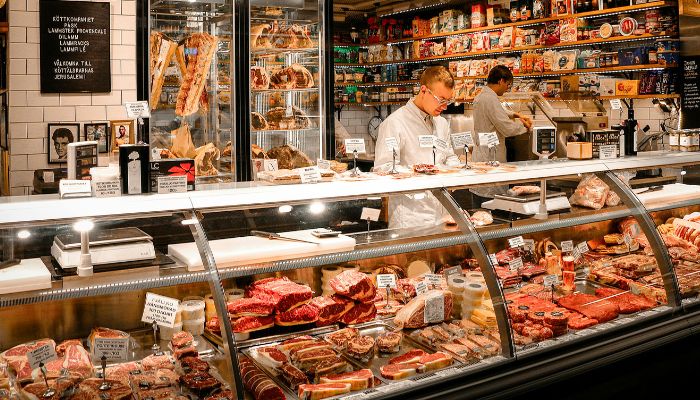
Food businesses in the Philippines must follow strict food safety standards to protect consumers. Proper freezing prevents bacterial growth, contamination, and spoilage, keeping ingredients safe and fresh.
This makes it easier for businesses to maintain the right temperature and comply with regulations for safe, high-quality products.
Event and Catering Industry Demand
In the Philippines, fiestas, weddings, and other large events often require preparation. A walk-in freezer provides more space to store ingredients safely before cooking and serving to keep them fresh and prevent spoilage. In this way, caterers and event organizers can manage large amounts of food, maintain quality, and serve guests safely.
Storage for Ready-to-Cook and Processed Foods
Many food businesses prepare items in advance, like marinated meats, frozen meals, or pre-portioned ingredients to save time and meet customer demand.
Proper cold storage is valuable because temperature fluctuations can affect taste, texture, and food safety. Walk-in freezers maintain a consistent temperature, preventing spoilage and bacterial growth.
In short:
Walk-in freezers help Philippine food businesses handle humid climate, power interruptions, and high demand. They preserve food quality, reduce waste, and support operations, so restaurants, catering services, and large food chains can grow and serve customers reliably.
About The Author

Evan Wang
I am Evan Wang, the General Manager, Marketing Director, and SEO Expert at Sunnyda Cold Room. I have over 20 years of experience in the refrigeration industry, and my expertise is in commercial refrigeration solutions.
I’d be delighted to share practical ideas about refrigeration products, project selection, export trade, SEO, and marketing.
Let’s connect!

