
When Easter arrives, many families prepare a feast to celebrate the resurrection of Jesus, with ham and eggs being among the most popular traditional foods. However, while enjoying these delicious dishes, food safety should not be overlooked. Knowing the proper ways to handle ham and eggs is crucial for ensuring that you and your family can enjoy a safe and festive holiday together.

Bacteria on Ham and Eggs
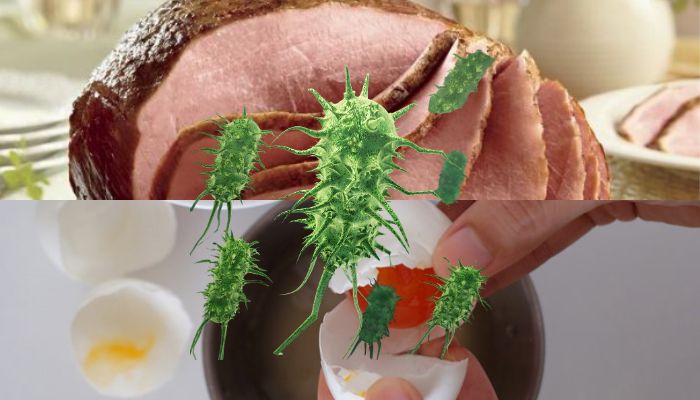
Ham and eggs are foods that are prone to bacterial contamination. Raw ham can carry E. coli and Salmonella, while eggs are commonly associated with Salmonella. These bacteria, particularly harmful strains of E. coli and Salmonella, can pose serious health risks, especially to children, the elderly, and individuals with weakened immune systems. Improper handling of contaminated ham or eggs can significantly increase the risk of foodborne illnesses. Therefore, it’s important to follow proper food safety practices when handling these foods to minimize the risk of bacterial infections.
Safely Handling Ham
Choosing High-Quality Ham
When purchasing ham, whether it’s raw or pre-cooked ready-to-eat ham, always buy from reputable grocery stores to avoid ham from unknown sources.
When selecting ham, carefully check the product label for the production date and expiration date. It’s best to choose ham with the most recent production date to avoid purchasing near-expiry or expired ham.
Inspect the packaging for any signs of damage, such as air leaks or bulging. These issues could indicate that the packaging is not airtight, putting the ham at risk of exposure to air and bacterial contamination. In such cases, avoid purchasing the ham.
Additionally, pay close attention to whether the ham requires cooking. Some non-ready-to-eat hams look very similar to ready-to-eat ones, so always check the label to ensure it specifies if cooking is necessary.
Cooking
Ready-to-eat ham from reputable grocery stores is typically inspected by regulatory authorities to ensure it meets food safety standards, so it can be eaten directly after being removed from the packaging. However, for non-ready-to-eat ham, it’s important to cook it thoroughly to kill any bacteria that may be present. Generally, heating raw ham to an internal temperature of 165°F (74°C) significantly reduces the risk of bacterial infection. Since many households don’t have a food thermometer, fully cooking the ham is a simpler and more effective method to ensure food safety.
Proper Storage

Properly storing ham not only extends its shelf life but also preserves its flavor and texture. Depending on how long you intend to store it, ham can be kept either in the refrigerator or freezer.
Refrigeration
Store unopened ham in the refrigerator (32°F – 39°F / 0°C – 4°C). The cold environment below 39°F slows down the growth of bacteria and other microorganisms, helping to extend the ham’s shelf life. Whether raw or ready-to-eat, ham should be consumed as soon as possible when stored in the refrigerator. Raw ham typically lasts 1-2 weeks, while ready-to-eat ham is best consumed within a week. For long-term storage, freezing is a better option.
Freezing
Freezing temperatures are typically around -18°C (0°F), which significantly inhibits the growth of most bacteria, greatly extending the shelf life of ham. Raw ham can usually be stored for up to three months, while cooked ham lasts 1-2 months in the freezer. However, freezing cooked ham may affect its texture and flavor. Avoid repeatedly thawing and refreezing ham, as this can not only severely impact its texture and taste but also increase the risk of bacterial contamination.
Safely Handling Eggs

Selecting Fresh Eggs
When buying eggs, you can choose fresh ones from either a reputable grocery store or a farmer’s market.
Avoid purchasing eggs with dirty surfaces or damaged shells. Salmonella is a type of bacteria that lives in the intestines, and if eggs become contaminated with feces during laying, they may carry a large amount of Salmonella. Eggshells are not completely sealed and have many tiny pores, which can allow Salmonella to enter the egg.
To check an egg’s freshness, gently shake it. If there is no noticeable movement or sound, it indicates that the egg white and yolk are intact, and the egg is fresh. If the egg shakes noticeably or you hear a sloshing sound, it means the egg is not fresh and may be spoiled, so it should be avoided.
Cooking
Most bacteria cannot survive high temperatures. Cooking eggs thoroughly, ensuring that both the egg white and yolk are completely solidified, is an effective method to eliminate bacteria and greatly enhance egg safety. Some people enjoy soft-boiled eggs, where the egg white is mostly set and the yolk remains runny. However, these undercooked eggs still pose a significant risk of bacterial contamination. From a food safety standpoint, soft-boiled eggs are not recommended, especially for vulnerable groups such as children, the elderly, and pregnant women. If you prefer the soft-boiled texture, it’s better to use pasteurized eggs instead of regular ones.
Proper Storage
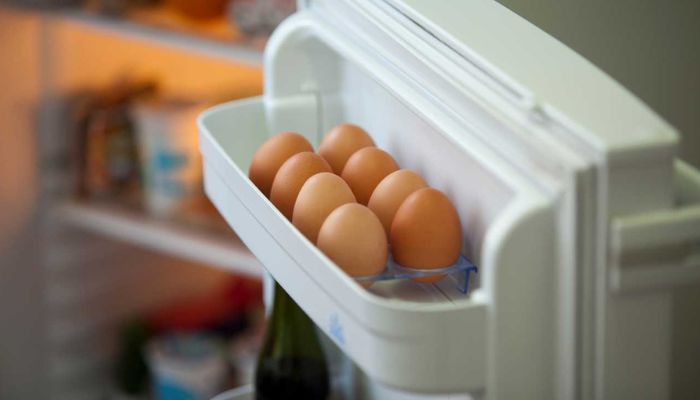
37°C (98.6°F) is the ideal temperature for Salmonella growth. When temperatures exceed 20°C (68°F), Salmonella can multiply rapidly. This is particularly concerning in hot summer environments. To prevent bacterial growth and extend the shelf life of eggs, avoid storing them at room temperature. Storing eggs at warm temperatures not only increases the risk of bacterial contamination but also shortens their freshness, making them more prone to spoilage.
The proper way to store eggs is by keeping them in the refrigerator (32°F – 39°F / 0°C – 4°C). At these temperatures, bacterial growth slows down, which helps reduce the proliferation of Salmonella and extends the eggs’ shelf life. It’s important to note that you should never wash eggs before storing them, even if they appear dirty. The eggshell is coated with a natural protective membrane that helps prevent bacteria from entering the egg. Washing the eggs removes this protective layer, increasing the risk of bacterial contamination. If the eggs are dirty, it’s better to wash them with water just before cooking, not before storage.
Conclusion

Properly handling ham and eggs not only helps reduce the risk of bacterial contamination but also ensures the freshness and deliciousness of your food. Food safety is a critical concern for every household, and we hope this guide will assist you and your family in enjoying a safe and tasty meal this Easter, making for a wonderful holiday.

